Put AI to work in your small business.
Websites that sell, a phone agent that answers every call, and automations that run the busywork, so you win the customers slower competitors keep missing.
For Tampa Bay trades, salons, charter guides, and restaurants. Want to hear the receptionist first? Call the shop: (727) 966-3487. The AI answers.
I wire AI into your business end to end.
Big agencies sell a strategy deck, a six-figure invoice, and a six-month timeline. You need the phone answered and the leads followed up. This month.

I’m Don, a solo designer-engineer in Clearwater. The product thinking, the interface, the integration, and the code all live in one head, so there’s no middle layer to pay for and nothing gets lost in translation.
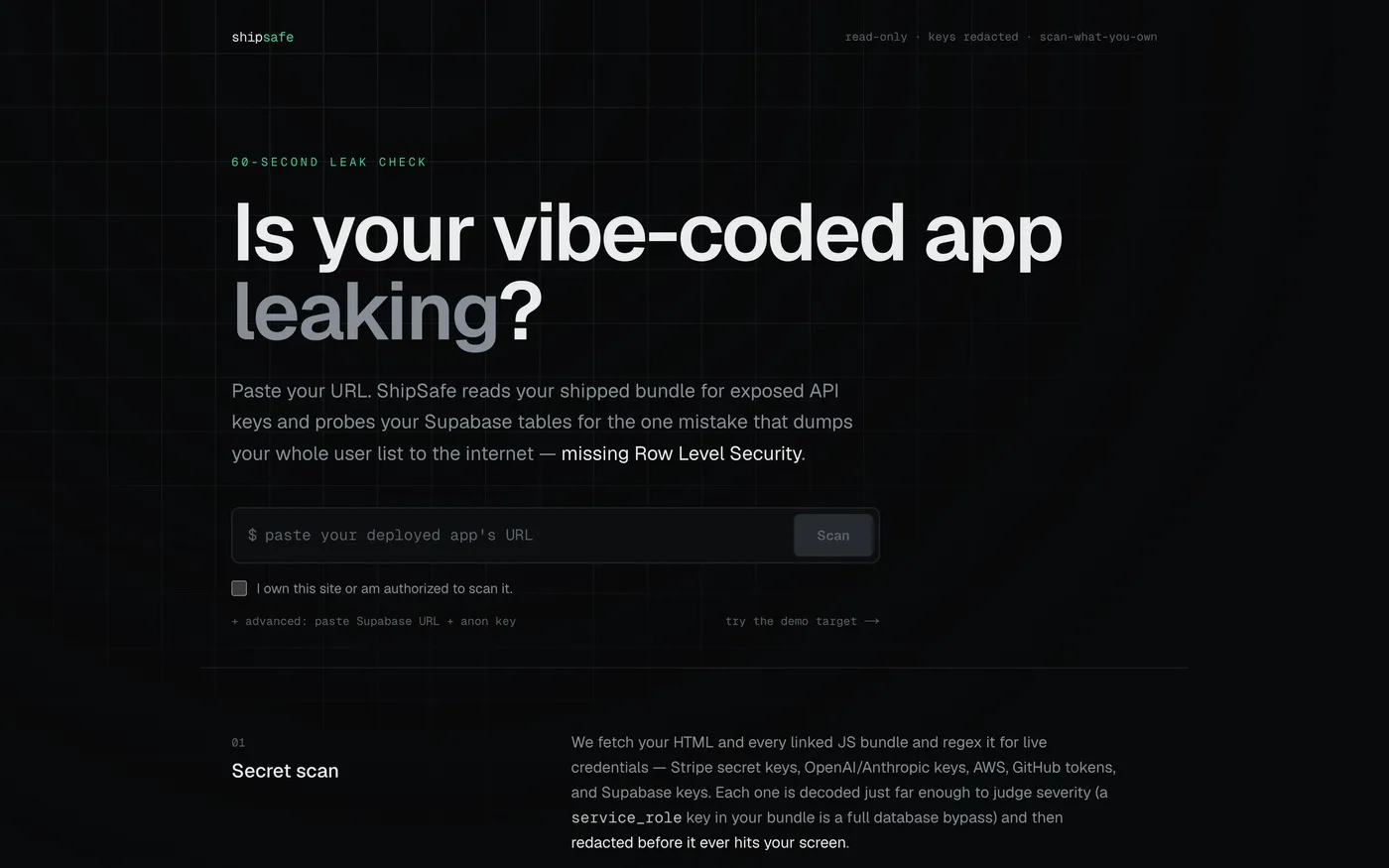
I’ve shipped real AI products solo: an AI tutor, an AI footage-search tool, an AI security scanner. That’s the exact muscle I point at your business: find the one thing AI can do that pays for itself fastest, wire it in, make it earn its keep.
One head, end to end
Design, integration, and code from the same person. No hand-offs.
No agency middle layer
You work directly with the person building it, not an account manager.
Weeks, not quarters
Scoped tight and shipped fast, so it starts paying off now.
Three ways to put AI to work.
Pick one, or stack all three into one system. Not sure where to start? The free audit points you at the one worth doing first.
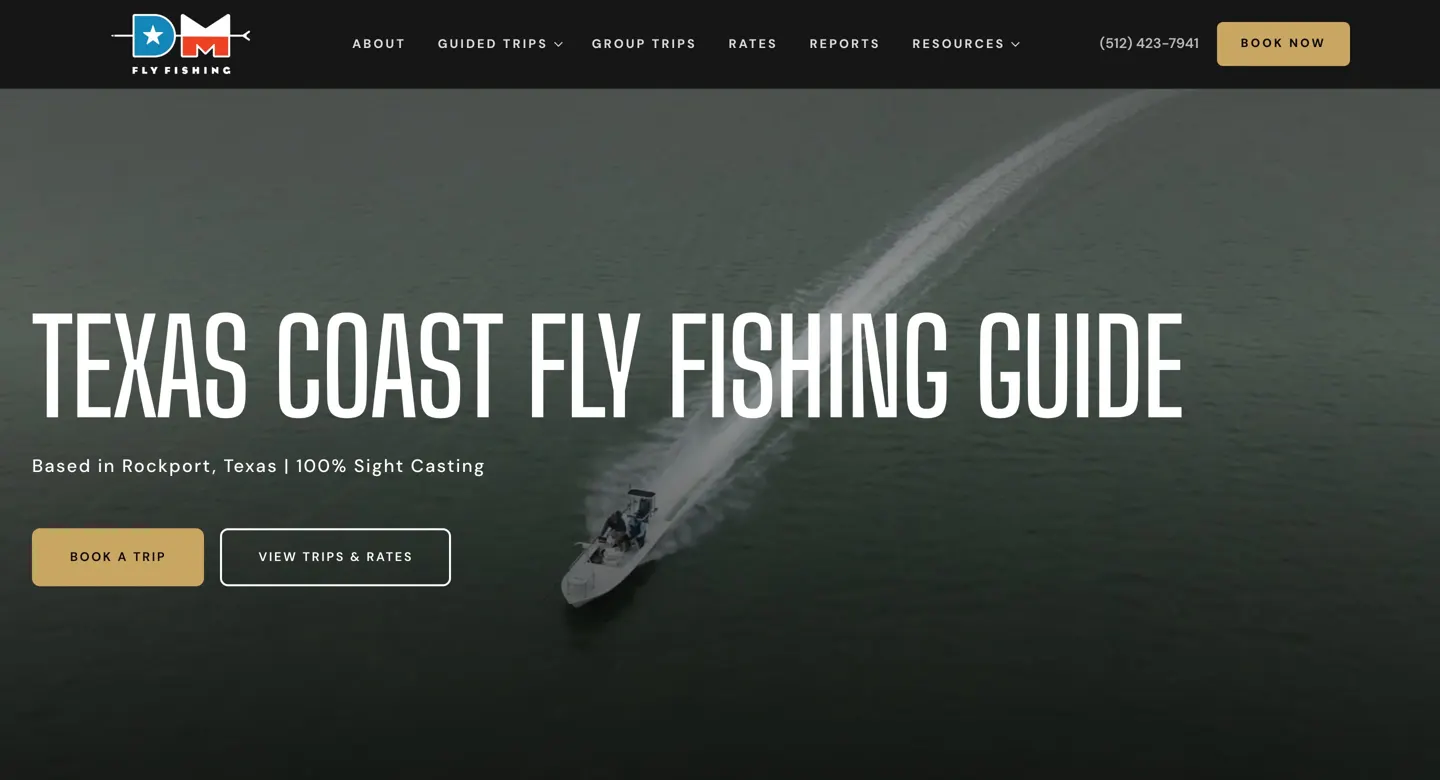
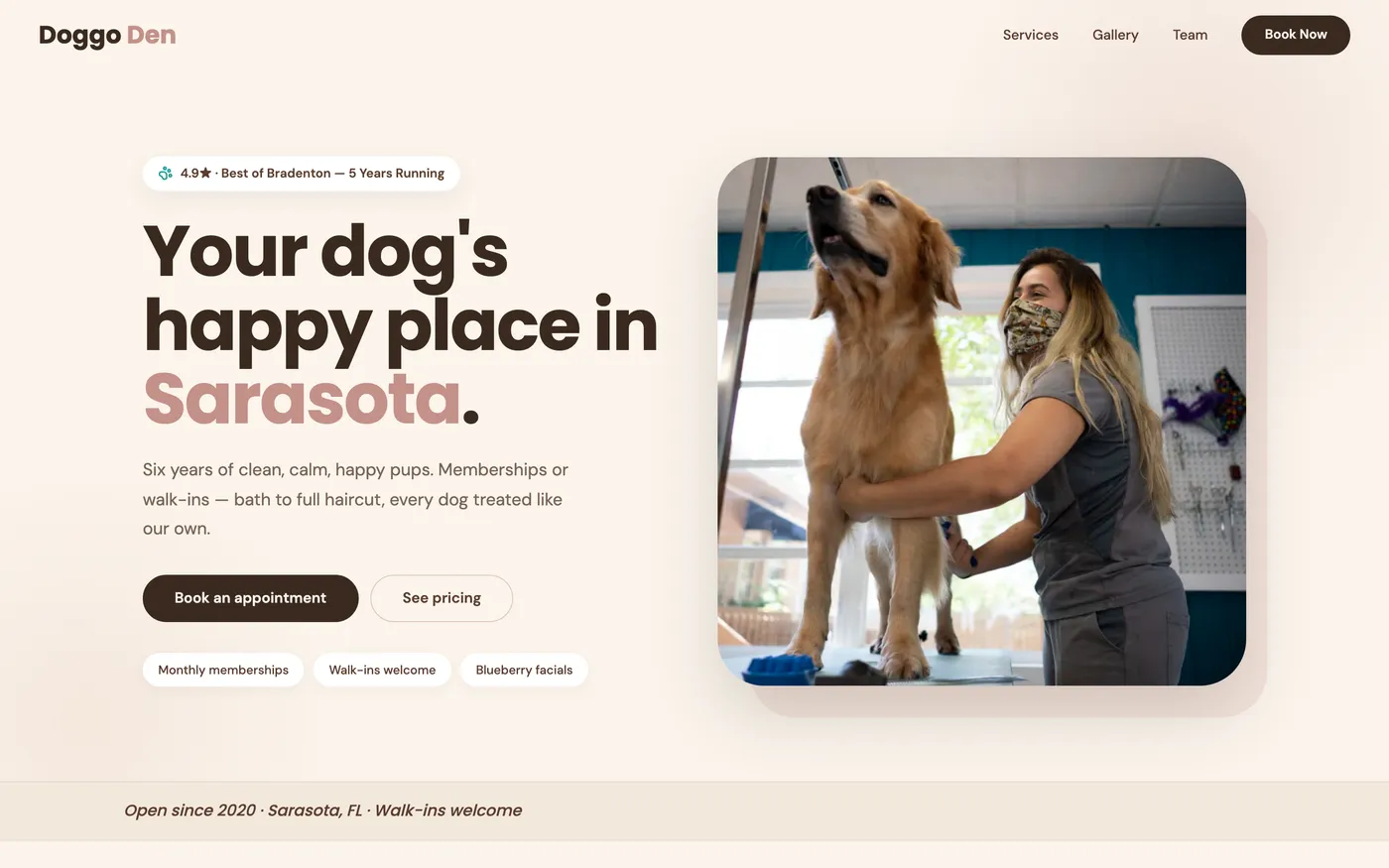
I ship real work, not slide decks.
Client websites and AI products, designed, built, and launched solo, end to end. The same hands wire AI into your business.
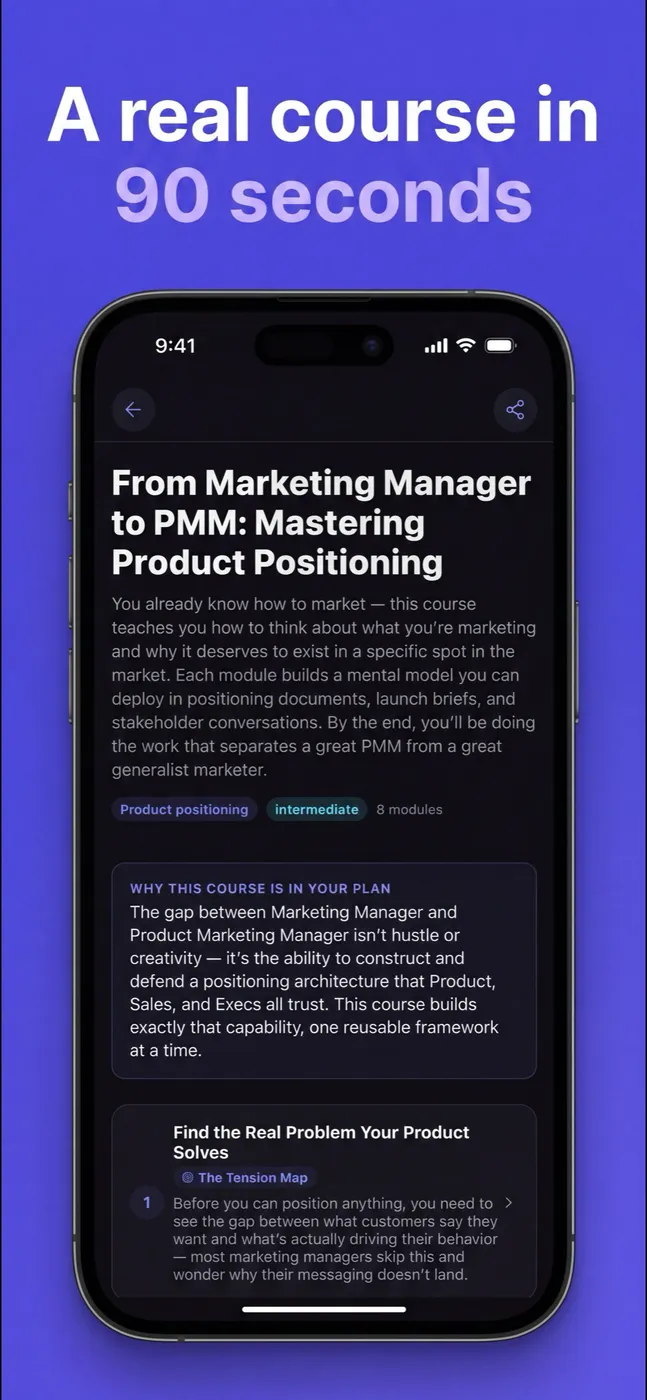
Learnin
An AI tutor that builds a full career course from your role and goal, with lessons and quizzes generated on demand, adapting as you go. Designed, built, and shipped solo to the App Store.
Expo · Supabase · OpenAI · RevenueCat
Visit Learnin ↗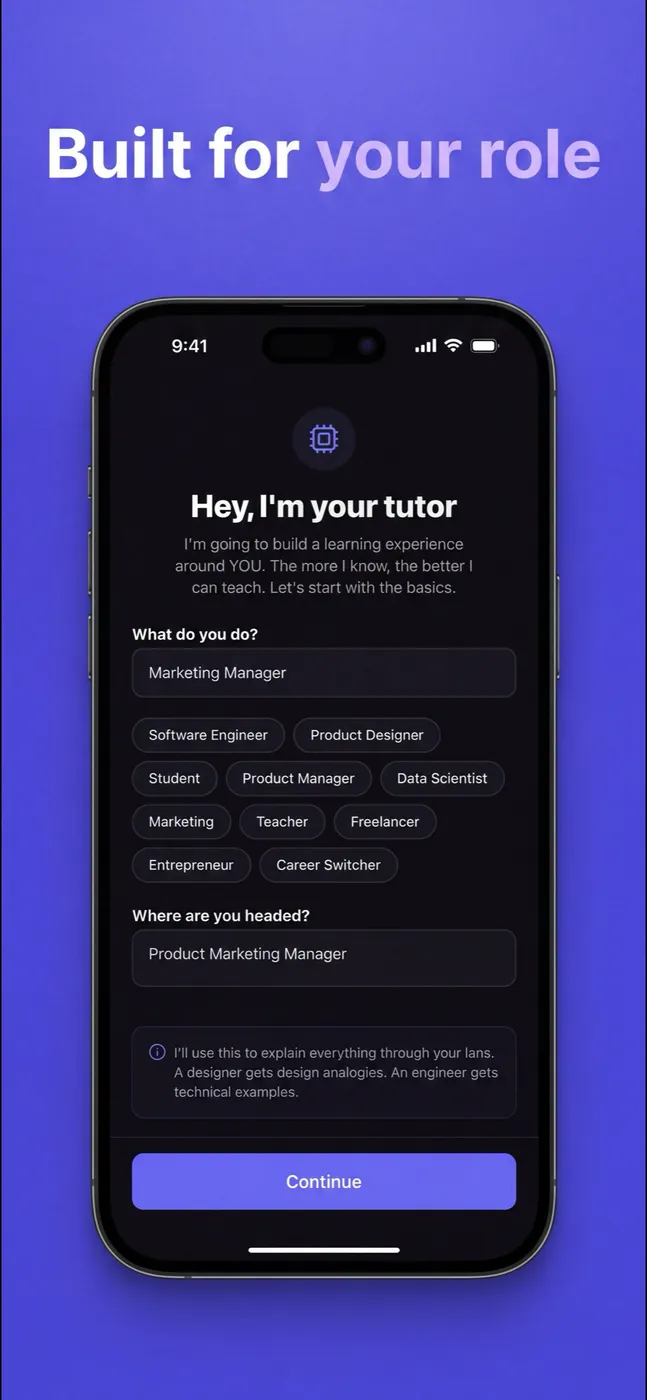
Livewell
AI that searches a video archive by what's on screen and what's spoken. Find any clip without scrubbing tape. In build for a TV production company.
Next.js · Supabase · Twelve Labs
From first call to live.
No drawn-out discovery, no account managers. Four steps, and most projects wrap in a couple of weeks.
A free AI audit.
Thirty minutes on a call. I look at how leads reach you, where your time leaks, and which calls you’re missing, then tell you the one AI move worth making first. Whether or not you hire me.
Scope and a flat price.
If we’re a fit, you get a clear scope and a fixed price the next day. No hourly meter, no surprise invoices, no “while I’m in there” add-ons.
Built in the open.
I build it in a week or two: the site, the phone agent, the automation. You get a working link early and watch it come together. Plain-English updates, zero jargon.
Live, then kept sharp.
It goes live, I hand you the keys and a simple walkthrough. Month-to-month care keeps it tuned and getting smarter as you grow. Cancel anytime.
See what voicemail is costing you.
Every call that goes unanswered is a customer dialing the next name on the list. Plug in your numbers, watch the leak.
That’s roughly 13.0 jobs a month walking to whoever picked up the phone.
An AI receptionist that answers every call runs $400/mo. Catch even that and you’re up $3,497/mo.
Rough estimate from your inputs, not a quote. The audit gives you the real number.
Simple pricing. Starts small.
No enterprise quotes, no retainers that trap you. Start with a free audit, then pick what’s worth it. Month to month, cancel anytime.
AI Front Desk
Website + AI phone agent + missed-call textback, one system. Miss a call and the customer gets a text before they dial the next guy.
AI Website
Modern, fast, converts. AI assistant + booking included.
One booking it wins back covers most of it.
AI Phone Agent
Answers 24/7, books appointments, texts you every lead. Setup included.
One saved call a month and it's paid for.
Automation
Intake, follow-ups, reminders, data entry. Handled.
Pays for itself the first week it runs the busywork.
If it’s not answering, booking, and texting you leads the way we scoped it in the first 30 days, I’ll make it right, and if I can’t, you get the setup fee back. You work directly with me the whole way, not an account manager.
Not sure what you need?
That’s what the audit is for. I’ll tell you the one thing worth doing first. Free, no pitch.
Let’s put AI to work.
Tell me where you’re losing time or customers. I’ll send back the one AI move that pays for itself first. Free, no pitch.
Prefer email? don@decele.com · Or call the front desk: (727) 966-3487